Loading...
Loading...
Loading...
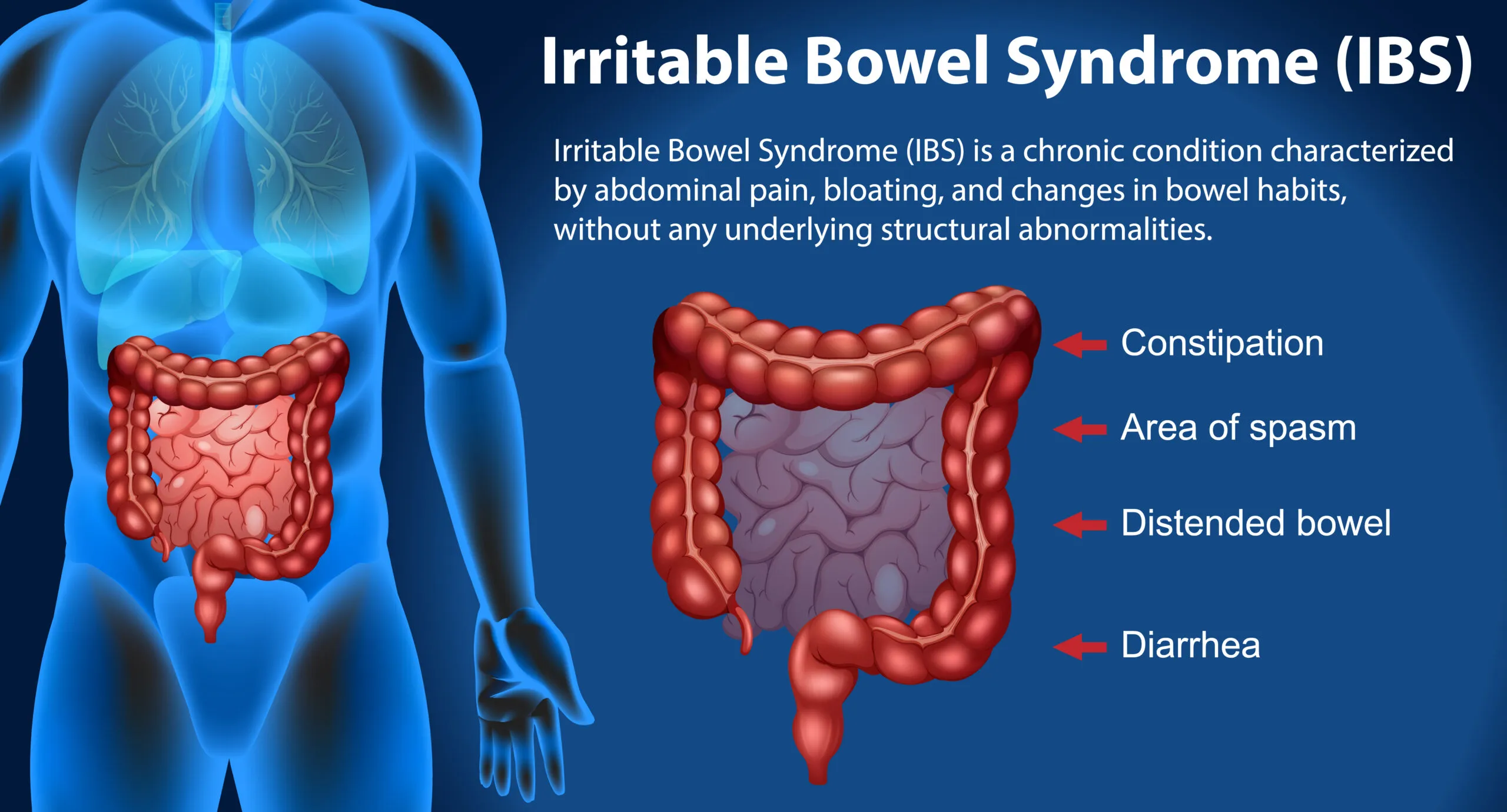
Irritable Bowel Syndrome (IBS) is a chronic gastrointestinal disorder that affects the functioning of the large intestine. While IBS does not cause permanent damage to the digestive tract, its recurring symptoms can significantly disrupt daily life, work productivity, and emotional well-being. Millions of people live with IBS without realizing that proper diagnosis and management can greatly improve their quality of life.
At SP Medifort, our gastroenterology specialists focus on accurate diagnosis and individualized treatment to help patients manage IBS effectively.
IBS is classified as a functional bowel disorder, meaning the digestive system appears normal but does not function as it should. The condition is often influenced by gut sensitivity, abnormal bowel movements, stress, and dietary triggers.
Pain is the hallmark symptom of IBS. It often occurs in the lower abdomen and may improve after a bowel movement. The intensity can range from mild discomfort to severe cramping.
Many patients experience persistent bloating, abdominal tightness, and excessive gas, especially after meals.
IBS may present as:
IBS with alternating diarrhea and constipation (IBS-M)
The presence of white or clear mucus in stool is commonly seen in IBS and is usually harmless.
Patients may feel that bowel movements are incomplete, even after using the restroom.
Chronic digestive discomfort can lead to poor sleep quality, fatigue, and reduced energy levels.
IBS is closely linked to the brain-gut connection. Stress and anxiety often worsen symptoms, creating a cycle of discomfort.
Identifying and avoiding personal triggers is a key part of IBS management.
IBS is diagnosed based on symptoms, medical history, and by ruling out other conditions. Treatment focuses on symptom control through: